.png&w=3840&q=75)
.png&w=3840&q=75)
About Almaty
 Explore the city
Population
2,359,052 people
Now
+3°C
Tour objects
6
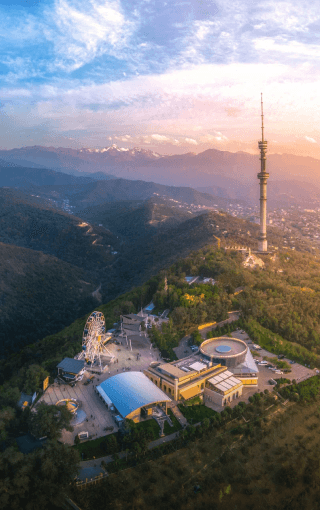
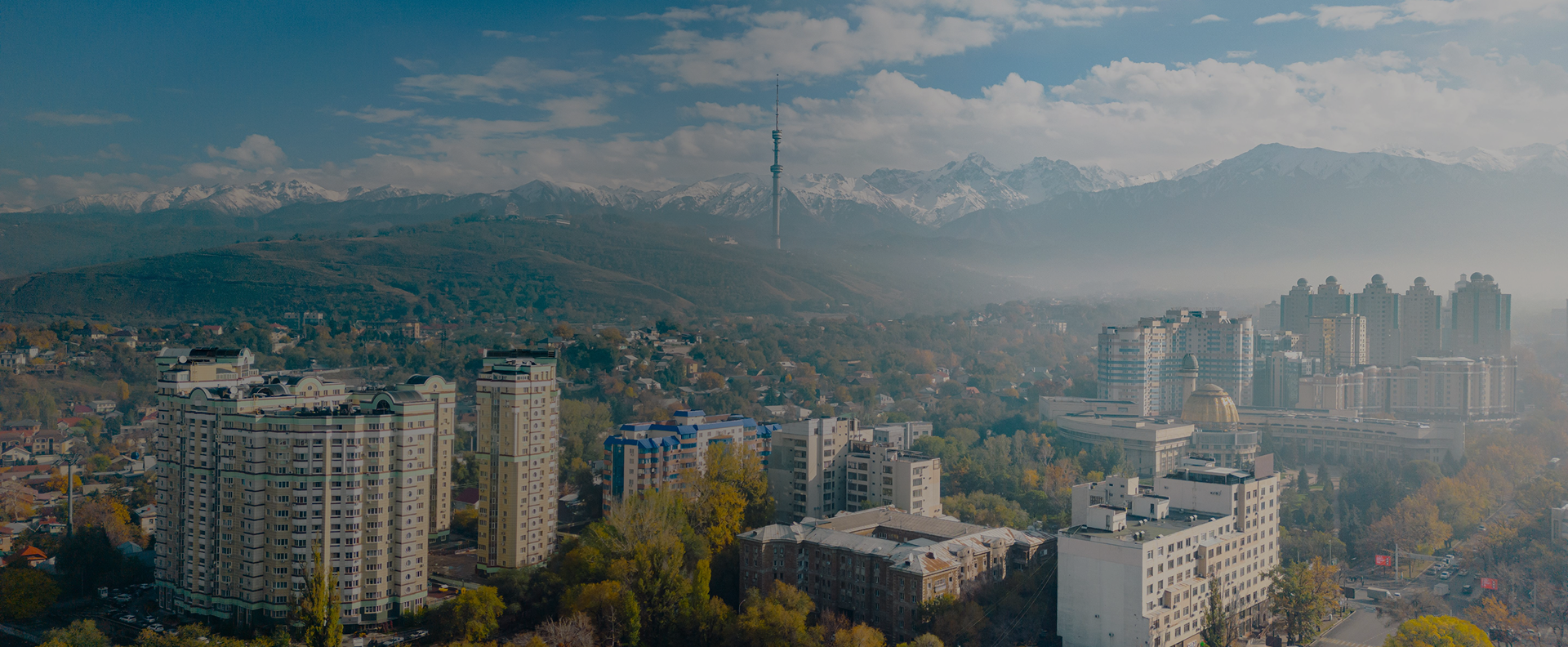
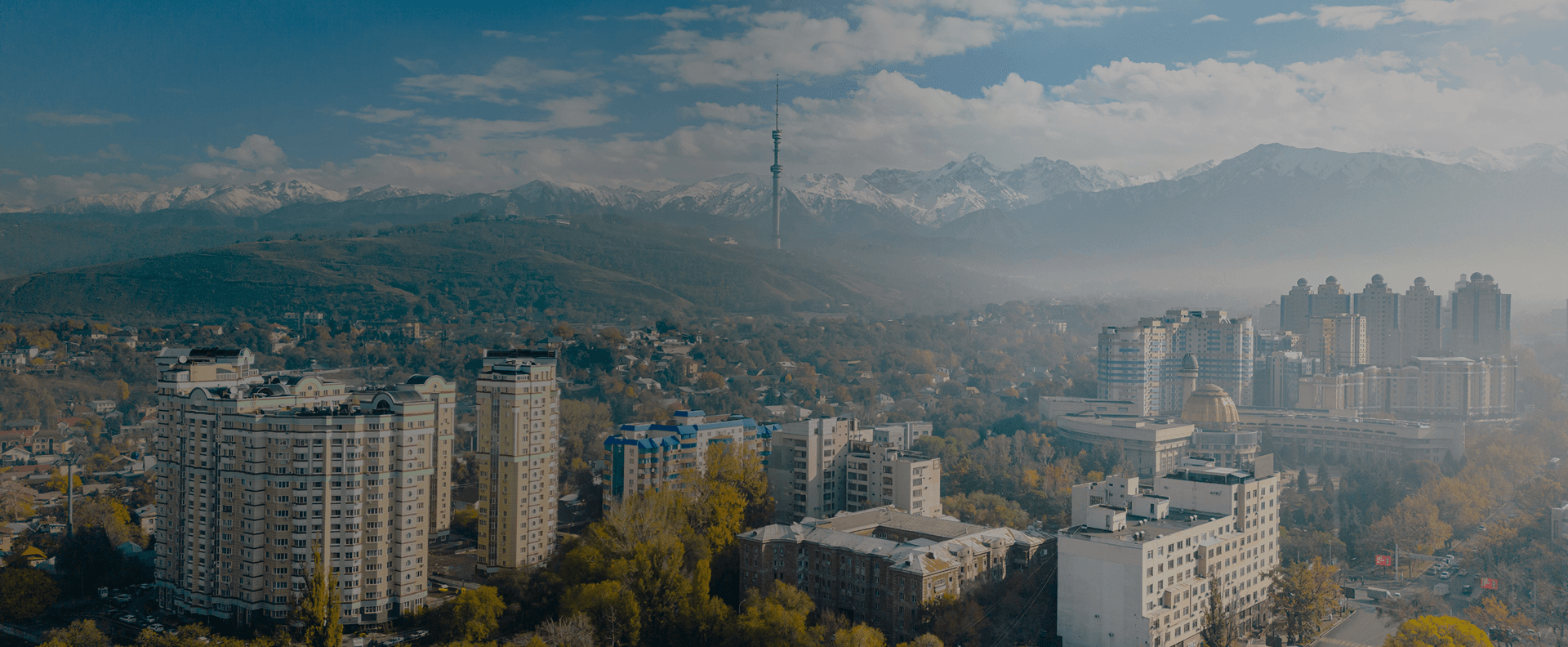
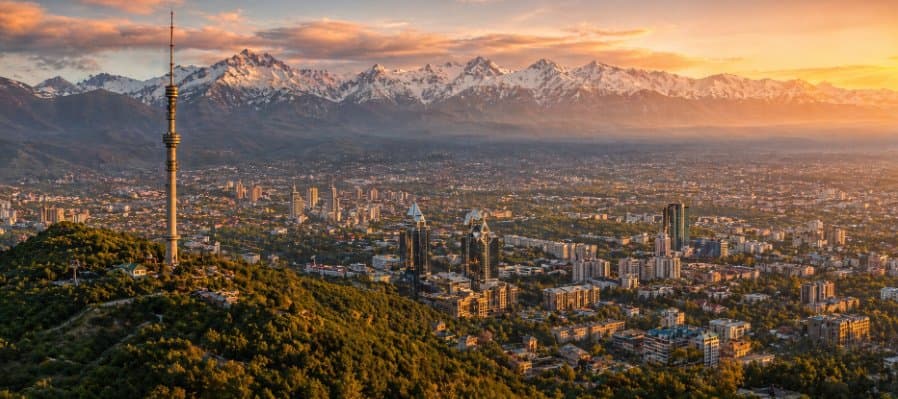
Almaty is the largest city in the country, located in the south-east of the republic at the northern foot of the Trans-Ili Alatau mountains and the northern ridge of the Tian Shan. The city's coordinates are 77° east longitude and 43° north latitude. The city covers an area of 683.5 km². Almaty is the most populous city. As of January 1, 2023, 2,161,695 people live in Almaty. The population density is 3,163 people per 1 km².
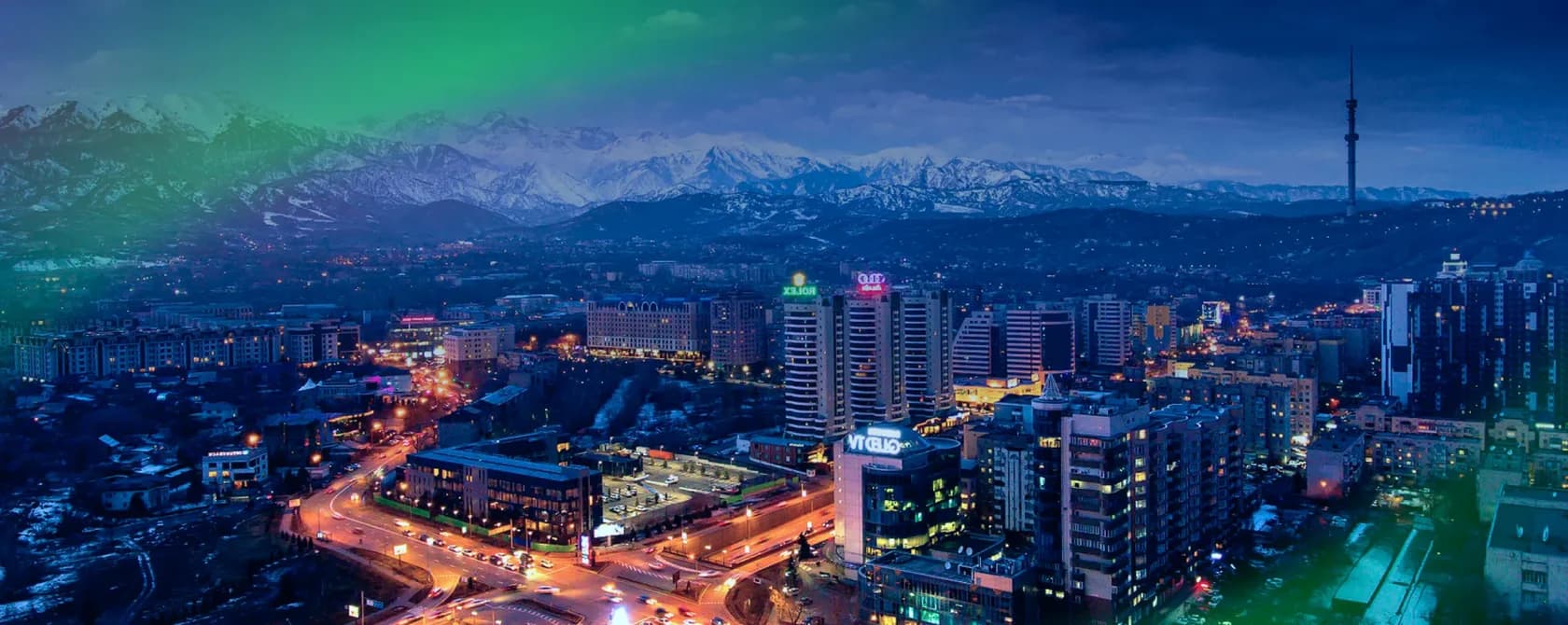
Almaty is the cradle of Kazakh independence, the largest city of Kazakhstan, a cultural, business and financial center located at the foot of the Trans-Ili Alatau. In addition, Almaty is an attractive, dynamically developing center of mountain and ecological tourism in Central Asia.
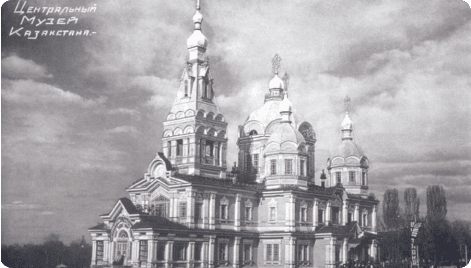
The official history of Almaty is almost 170 years old. Nevertheless, there are historical hypotheses that there were large settlements on the site of the city that are at least 1000 years old. The great Kazakh scholar and ethnographer Shokan Valikhanov wrote that in the Middle Ages "Almaty was known for its trade and stood on a major route".
There are even earlier references to the toponym "Almaty" in the chronicles. Unofficially, Almaty is also called the "homeland of apples" — hence the name. Present-day Almaty emerged as the Verny fortress in 1854. In 1921 the city was renamed Alma-Ata. From 1936 to 1997 it was the capital of Kazakhstan. Since 1993 it has been officially called Almaty. Today more than 2.2 million people live here. The climate is continental, the average annual temperature in Almaty is +10 °C.
Architecture
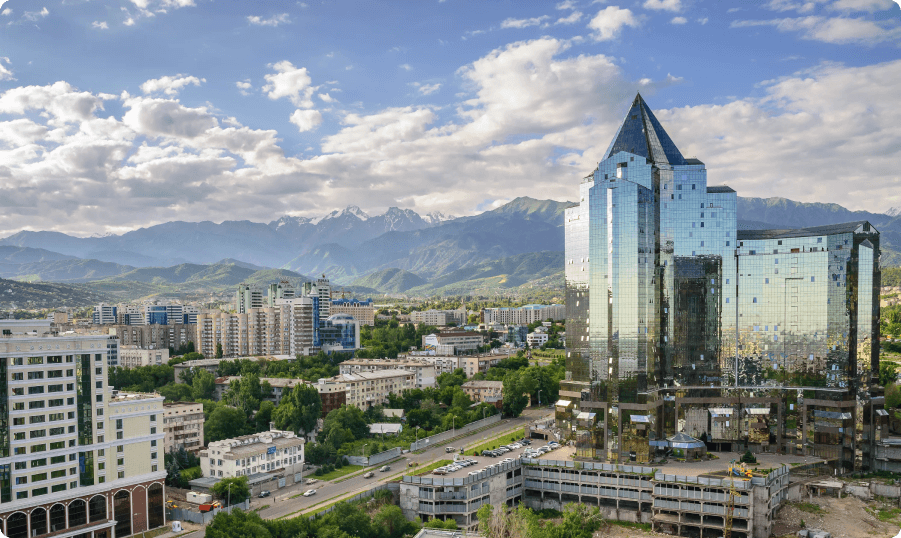
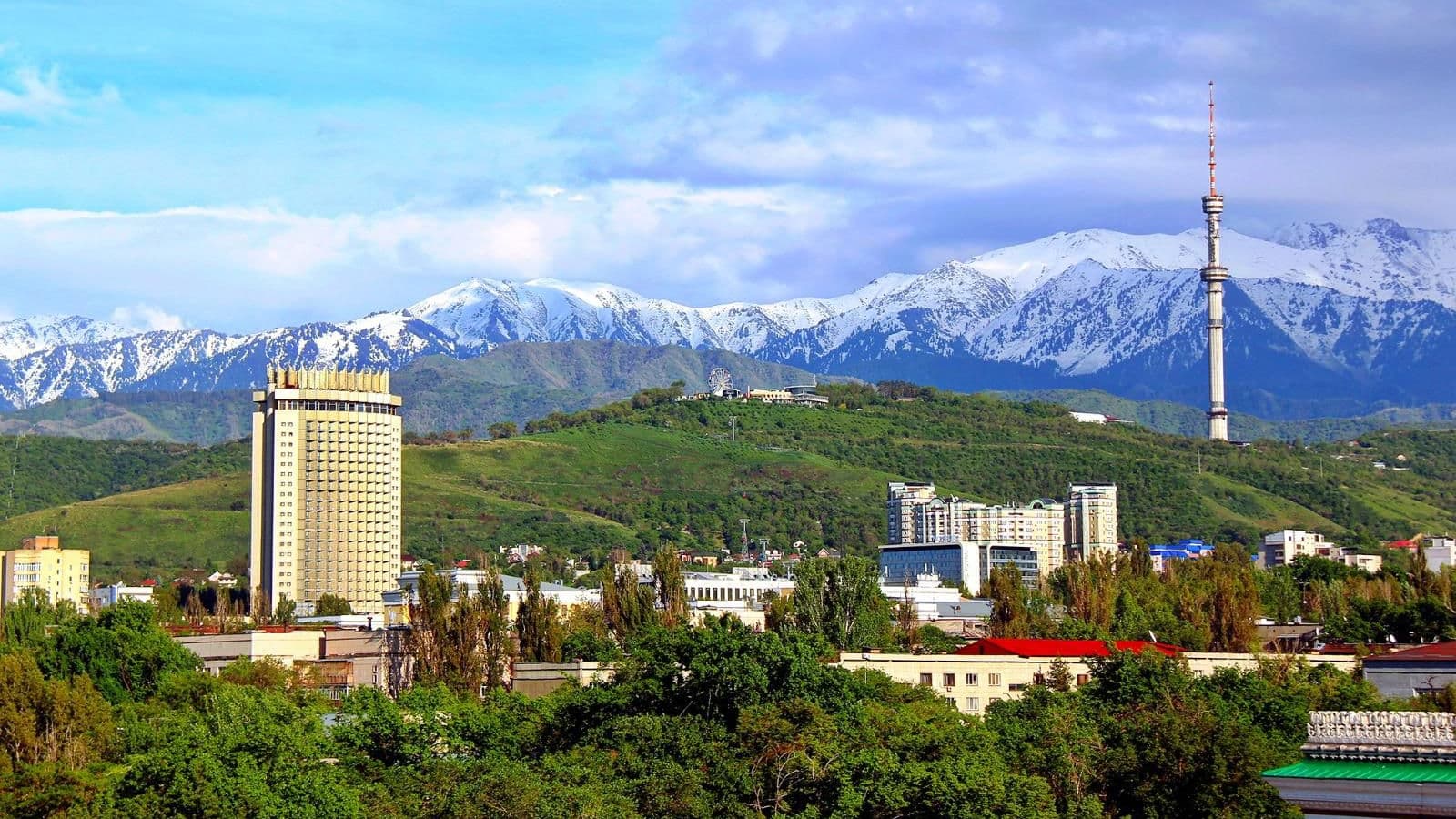
The architecture of Almaty is a combination of historical buildings, Soviet modernism and modern urban development. The city was shaped by the influence of different eras: from pre-revolutionary Verny to the modern metropolis. A distinctive feature of Almaty is the harmony of architecture with nature: many buildings were designed taking into account the mountain landscape and the region's seismic activity.
In the city you can see wooden buildings from the early 20th century, Stalinist Empire style, constructivism and vivid examples of Soviet modernism. Among the well-known architectural landmarks are the Almaty Hotel, the Akimat building, "Kyzyl-Tan" and numerous buildings of the Soviet period that have become symbols of the city. Modern Almaty architecture continues to evolve, combining national motifs, glass facades and contemporary urban solutions. Thanks to this, the city preserves its unique architectural appearance and the cultural identity of Kazakhstan.
History
Origin of the name
The earliest mention of the toponym is found in the Oirat (Dzungar) chronicles of the 17th century, when this region of present-day Kazakhstan was under Dzungar rule, in the form Gurban-Alimatai ("the tract where three apple trees grow").
The records of Major M. D. Peremyshlsky from 1853, who a year later founded the Zailiyskoye fortification on this site, use the name of the Almaty tract.